Building a custom home is exciting, but it’s not an impulsive, overnight decision. While designing your new home from the ground up and watching it come to life on your lot is more time-consuming than simply purchasing an existing home, it’s often exponentially more rewarding. One of the most common questions we hear from people considering whether to go the custom route is, “How long does it take to build a custom home?”
QUICK ANSWER: How long does it take to build a custom home in Jacksonville?
Building a custom home in Jacksonville typically takes about 11–18 months to complete, although the timeline depends on the home’s size and complexity, the condition and location of the lot, design revisions, engineering and permitting requirements, material availability, weather, and the builder’s construction schedule.
Custom home building timelines at a glance
| Stage | Typical timeframe |
| Initial consultation | Varies |
| Design | 3–6 months |
| Engineering & permitting | Varies by project |
| Construction | 10–16 months |
| Final inspections & handover | Varies |
| Total project | Approximately 11–18 months |
The custom home building process in Jacksonville
In Jacksonville, the custom home process typically involves planning and design, permitting, construction, inspections, and final approval. Your builder should coordinate the process and keep you informed about what happens at each stage.
Here’s a breakdown of the typical stages involved in building a custom home and the time each stage might take.
Step One: Consultation
The first stage in building a custom home is the consultation. During this phase, we:
- Listen to your goals: Understand what you have in mind for your custom home.
- Ask the right questions: Gather all necessary information to formulate a solution.
- Establish project scope: Define the scope of the project to ensure alignment between your dreams and any real-world constraints.
- Understand the budget: Determine the budget to guide the design and construction process.
PROJECT EXAMPLE
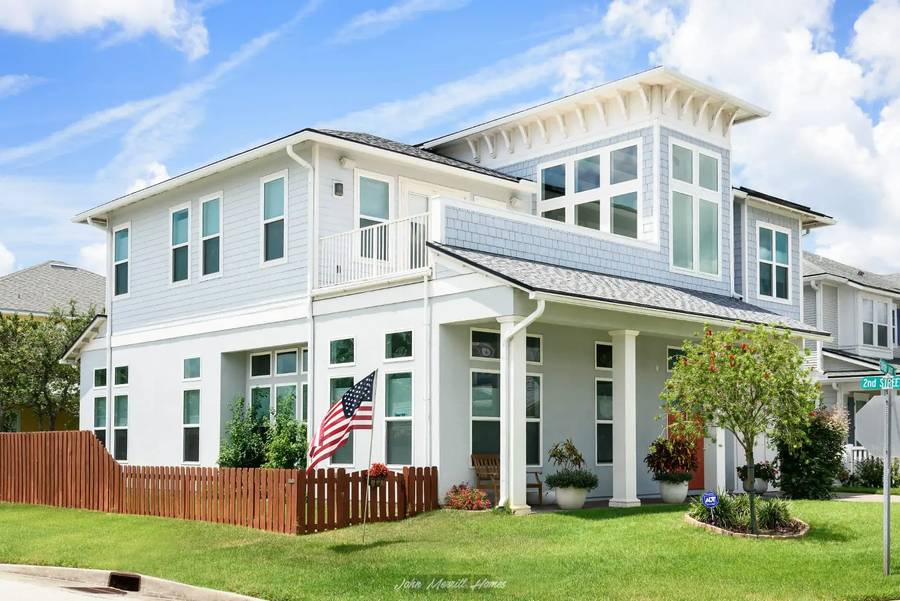
During the initial consultation for the Beach Getaway home in Jacksonville Beach, we discussed the clients’ desire for a secondary home that could serve as a retreat from the city, as well as a full-time residence for their parents.
Step Two: Design (3-6 Months)
Next, we move to the design phase, which involves:
- Site analysis: Review the site for constructability, establish footprint maximums, and create a rough fit of the home on the lot.
- Draft preliminary plans: Develop floor plans, exterior elevations, and site plans based on your goals.
- Write specifications: Specify all products and materials going into the home to create clarity.
PROJECT EXAMPLE
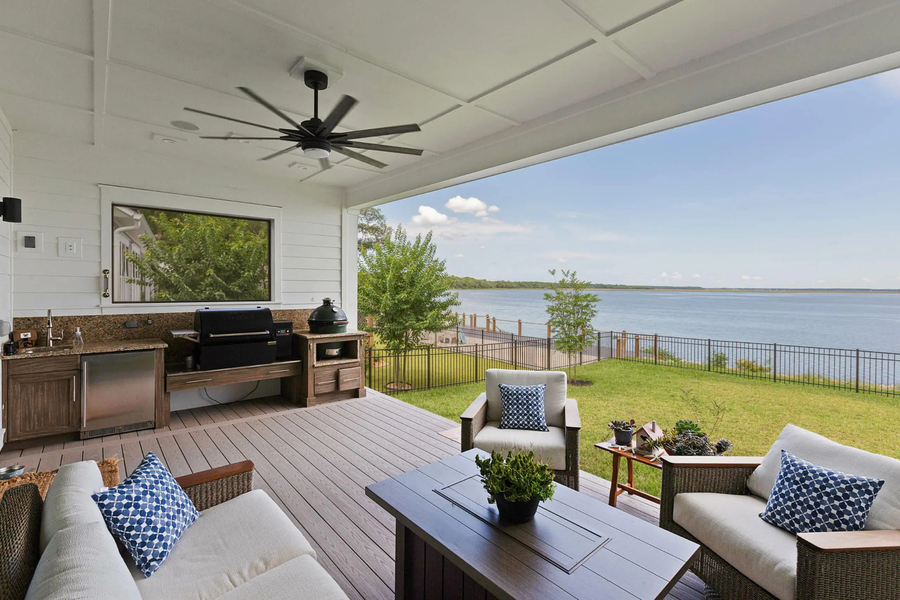
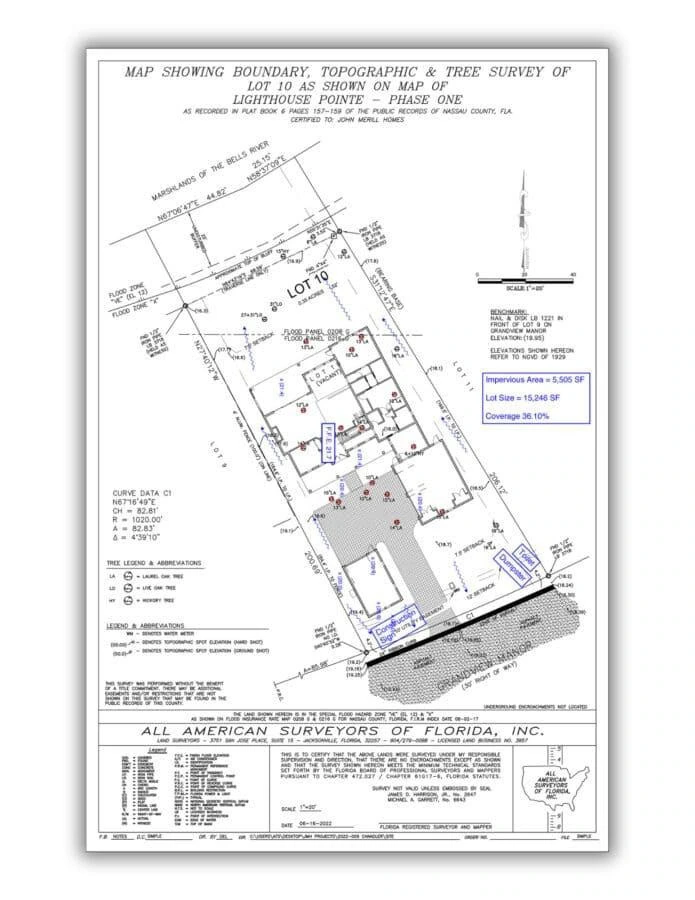
For the Bells River Residence in Yulee’s Waterman’s Bluff, we carefully analyzed the lot’s unique characteristics and riverfront alignment to ensure the design maximized views of the beautiful Bells River.
Step Three: Present the design
We then present the design to you, including:
- Custom-designed home plans: No pre-set floor plans here. All of our plans are tailored to your specifications and budget.
- Detailed specifications: Comprehensive listing of all products and materials that will go into the house.
- Site costs: All-inclusive cost analysis for the entire project, including design, site prep, and build phases.
PROJECT EXAMPLE
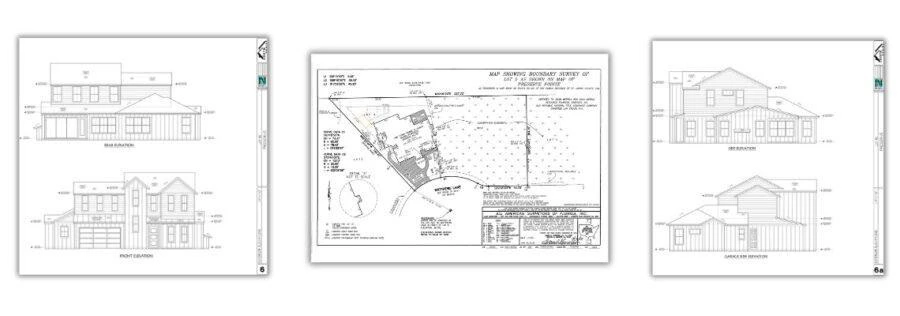
When presenting the design for the Modern Farmhouse Two in Ponte Vedra Beach, we highlighted the use of sustainable materials and energy-efficient technologies.
Step Four: Contract
Once the design is approved, we proceed to the contract phase:
- Finalized floor plan: Confirm the layout and design.
- Site plan: Detailed site plan for construction.
- Specifications: Finalized list of materials and finishes.
- Building agreement: Formal agreement, the signing of which enables us to commence construction.
Step Five: Planning (3-6 Months)
The planning stage involves:
- Structural and systems engineering: Certify that the home is structurally sound and systems are properly integrated.
- Final finish selections: Choose final options for all finishes for your home.
- Obtain permits and approvals: Secure all necessary permits and ensure compliance with all state and local regulations.
- Custom schedule: Develop a detailed construction schedule that accounts for availability of all materials and labor.
PROJECT EXAMPLE
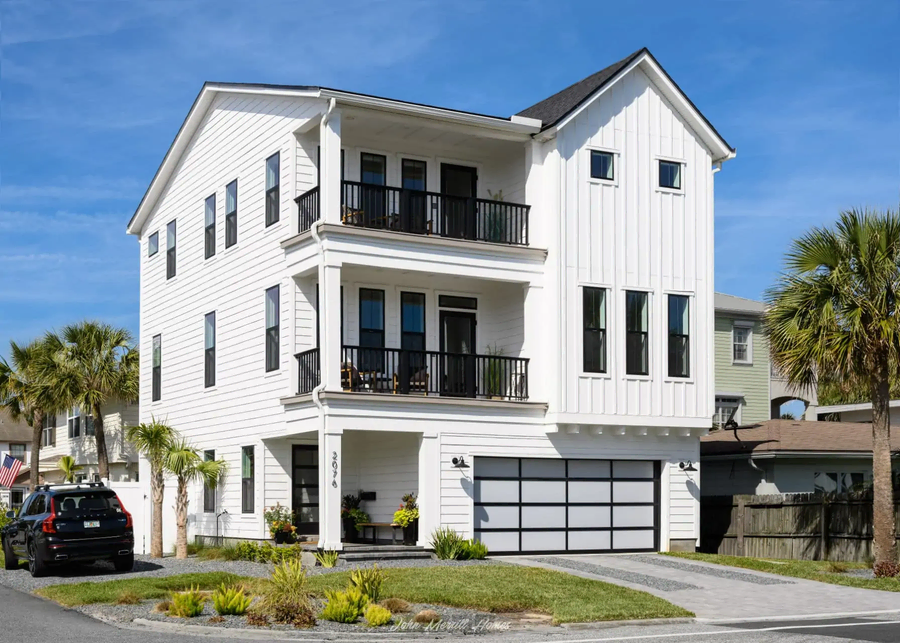
During the planning phase for the Beach Farmhouse in Jacksonville Beach, we coordinated with local authorities to secure the necessary permits and approvals—including an elevator, which services all three floors.
How does permitting work in Jacksonville?
- Permit requirements and timelines can vary depending on the municipality or county where your lot is located. Jacksonville projects follow the City’s permitting and inspection processes, while projects elsewhere in Northeast Florida may fall under different local authorities.
- Jacksonville’s inspection guidance explains that inspections verify construction against state and local codes and that required inspections must be requested before relevant work is covered.
- Florida law establishes statutory review timeframes for complete and sufficient building permit applications, with different timeframes depending on project size and permitting circumstances.
Step Six: Construction (10-16 Months)
During construction, we:
- Build to approved plans: Follow the detailed plans and finishes.
- Provide regular updates: Keep you informed via BuilderTrend.
- Maintain communication: Maintain open communication throughout the process.
- Conduct quality control: We conduct ongoing quality checks and address punch-list items as they occur.
- Clean the work environment: Promote high-quality workmanship through a clean and positive worksite.
Step Seven: Present the Home
Finally, we present the completed home to you:
- On-time delivery: Work toward the agreed completion schedule and address outstanding items before handover.
- Walk-through: Show you the operations of your new home.
- Review warranty process: Explain the warranty and what to expect in the first year.
- Celebrate: Celebrate the successful completion of your custom home!
PROJECT EXAMPLE
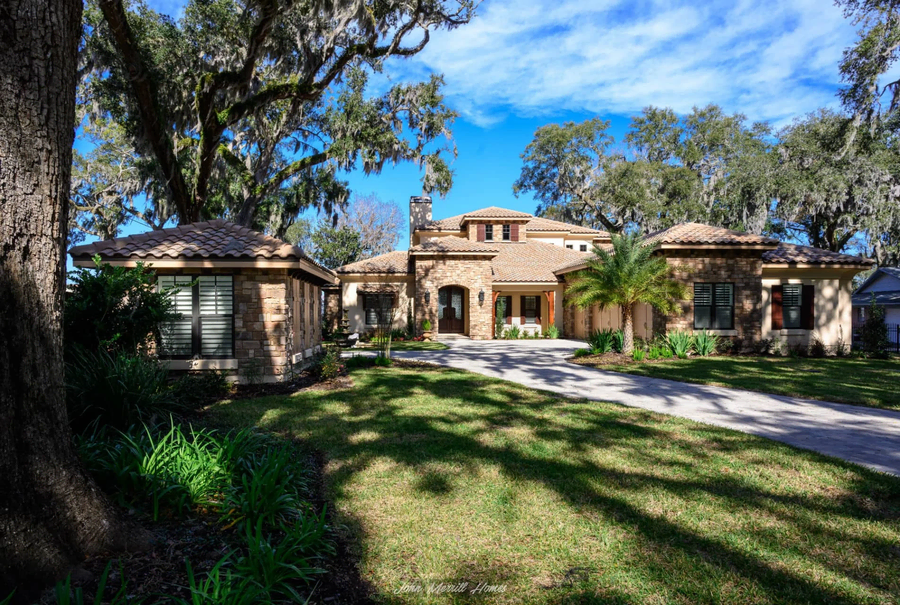
For the Riverfront Estate in St. Nicholas, we conducted a thorough walk-through to ensure the homeowners were familiar with every aspect of their new home and ready to host business associates and clients as soon as they were settled.
Total time to build a custom home: approximately 11-18 months
From start to finish, building a custom home typically takes between 11 and 18 months. Of course, it could go shorter or longer. As we mentioned before, the timeline will vary based on factors such as design complexity, home size, lot conditions, and the weather.
“In our experience building homes throughout Northeast Florida, the biggest scheduling variables tend to be the complexity of the design, the characteristics of the lot, permitting requirements, and the number of custom selections involved. That’s why we establish the project schedule early and update it throughout construction.” – Adam Merrill, President, John Merrill Homes
Get a timeline for your custom dream home
Every custom home starts with a different set of circumstances. Your lot, design, budget, and priorities all influence the schedule. The best way to understand your likely timeline is to discuss the project with a builder before finalizing your plans or purchasing a property.
John Merrill Homes designs and builds unique, fully custom homes tailored to meet our customers’ goals and lifestyle. Whether it’s new construction from the ground up or large-scale renovations and additions, our systematic design-build process ensures that your custom home is ready for move-in day. If you have any questions or are ready to start planning a timeline for your custom home, contact us today to schedule your first consultation.
FAQ about custom home timelines
How long does it take to build a custom home in Jacksonville?
A custom home in Jacksonville typically takes about 11–18 months from the start of design through completion, although every project is different. The timeline depends on factors such as the size and complexity of the home, lot conditions, permitting and engineering requirements, material availability, weather, and the number of custom features involved.
How long does it take to design a custom home?
The design phase typically takes 3–6 months, depending on the size and complexity of the home and how many design decisions need to be finalized. This phase can include site analysis, floor plans, exterior elevations, specifications, engineering coordination, and finish selections. A more complex home or a property with unique site considerations may require additional design and planning time.
Why does building a custom home take so long?
A custom home takes longer than a production-built home because the process involves substantially more individual decisions, design work, and coordination. You’re not selecting from a library of standardized plans. The home is being designed for a specific piece of land and the lifestyle of the homeowner(s).
What can delay a custom home build?
Several factors can affect a custom home’s timeline. Common examples include complex lot conditions, permitting or approval requirements, weather, material or product lead times, design changes made after construction begins, and specialty features that require additional coordination. Waterfront properties, large homes, and projects with features such as elevators or extensive outdoor living areas may also require additional planning. Making decisions promptly and working with an experienced builder can help minimize avoidable delays.
Can you speed up the custom home building process?
There are ways to make the process more efficient, but rushing a custom home build can create problems later. One of the best ways to keep a project moving is to make key decisions early, finalize selections on schedule, minimize changes after construction begins, and work with a builder who coordinates design, engineering, permitting, and construction.
Building a custom home? Here’s what actually causes delays (and how to avoid them)
Does building on a waterfront lot take longer?
It can. Waterfront lots in Jacksonville and Northeast Florida can have additional site considerations that affect the design and construction process, including drainage, grading, setbacks, flood-related requirements, access and other site-specific conditions. Your builder should evaluate the property early so potential site-related requirements can be incorporated into the project schedule.
Helpful Jacksonville & Florida resources
This article was reviewed for accuracy against current Jacksonville and Florida permitting resources on August 12, 2026.
- City of Jacksonville: Residential Permits
- City of Jacksonville: Building Inspections
- Florida Statutes: Building Permits & Inspections
- Florida Statutes: Permit Application Timeframes