After months of dust, delays, decisions, moving blankets, construction noise, and more than a few moments of wondering, “How is there still this much dust?”, our own home addition is finally complete.
We’ve designed and built homes, additions, and renovations for clients for ten years, so we know how the process works. We know that materials get delayed, walls look worse before they look better, punch lists go down and up, and there will always be something to troubleshoot. We tell our clients these things all the time. But this time, we were the clients!
And while we followed our normal process closely—from selections and purchasing through pricing, approvals, and project management—experiencing it from the homeowner’s side gave us a fresh perspective on what it really feels like to live through a major addition.
Here are some of the biggest things we learned.
1. Yes, you really should have a Plan B
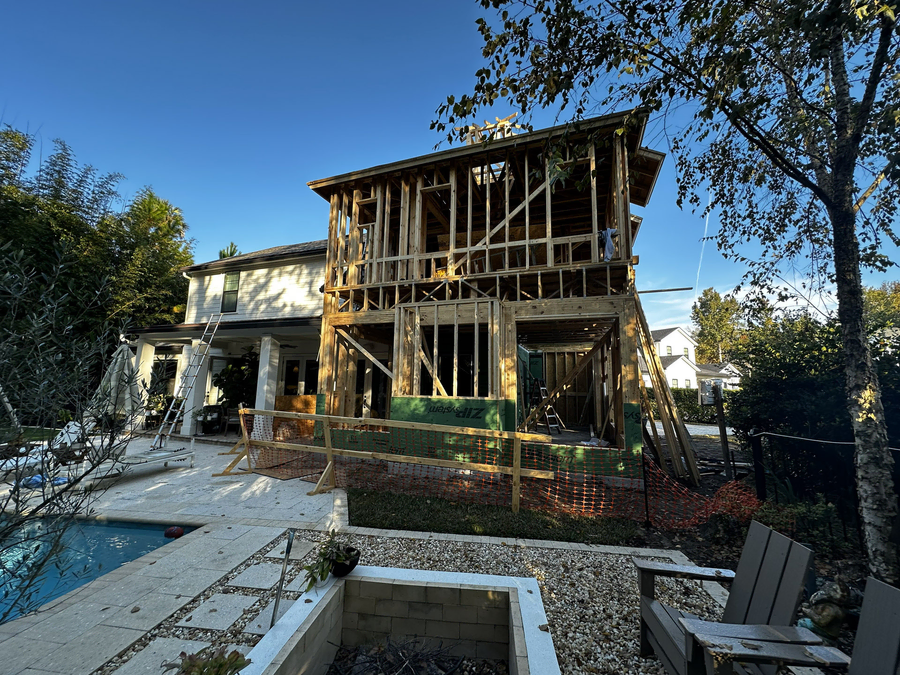
(We really lived here)
We already recommend that clients make a plan for where they will live during construction. After doing our own project, we recommend it even more strongly. We lived in the house throughout the project, and while we knew exactly what was happening because we were part of the process, that didn’t make the dust, noise, and disruption any less invasive.
At one point, we had essentially ripped off the roof over half of the first floor. Then it rained. There was dust everywhere, furniture had to be moved around to accommodate the work, and our living space kept shrinking as construction progressed. Even the dogs had to navigate a completely different environment.
Looking back, Adam summed it up pretty simply: it would have been much more pleasurable to arrive at the job site, see what had been accomplished, and then leave, rather than go back into the construction zone and live in it.
We understand why moving out is difficult. Finding a furnished rental for several months, moving personal belongings, and figuring out what you actually need with you is a major undertaking. But if your project is extensive enough, the temporary inconvenience of moving out is preferable to the daily inconvenience of living through construction.
2. Trust the process
One of the strangest things about construction is that the project can look terrible right before it starts looking great. Paint is a perfect example. One coat can look meh, but the next few coats make all the difference. Experiencing this firsthand made us appreciate just how difficult that can be for a homeowner to understand when they’re standing in the middle of the mess.
It can look like everything is going wrong even when the project is actually progressing exactly as it should, so you have to trust the process and envision the finished space through the unfinished one.
3. Planning ahead really does make a difference
We followed our normal design-build process, including making selections ahead of time, getting materials ordered, updating pricing and quotes, and approving selections once they were entered into the system.
Although preparation doesn’t guarantee a perfect process, it means you’re better positioned when something does go awry. Our wood flooring is a perfect example. We needed it to match the existing floors, and the delivery took much longer than expected. It became one of the last major pieces keeping us from fully moving into the finished spaces, but it was worth the wait.
You may also be interested in: Thinking about a home addition? Avoid these 6 surprising mistakes.
4. There will always be a solution
As with any project, there were plenty of little things that didn’t go exactly according to plan, but there wasn’t anything we ended up living with that we regretted or couldn’t fix. At one point, a doorbell wire was accidentally cut during construction. We didn’t discover it until the area had already been closed up, but we found a solution in the form of a rechargeable battery-powered doorbell.
Because we’ve spent years troubleshooting construction projects, our instinct was to look for the solution rather than dwell on the problem. And going through that process ourselves reinforced how important that mindset is for homeowners, too. Things happen, materials get delayed, something gets disconnected, or a detail needs to be changed once you can see it in the actual space. That’s construction for you!
5. Design for real life
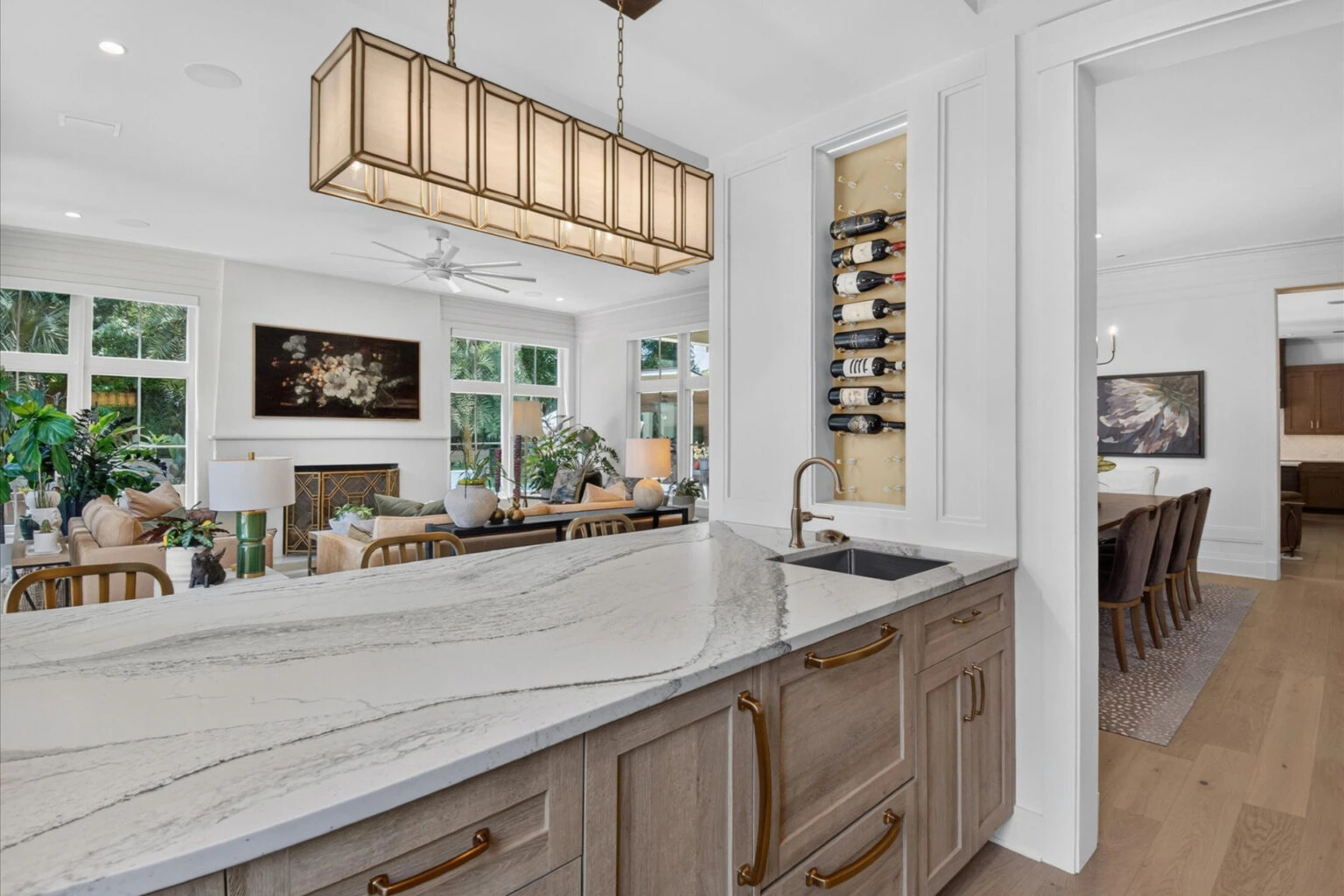
One of the most rewarding parts of the finished addition is seeing how naturally the new spaces fit into our everyday life. Before the addition, entertaining tended to happen outside around the pool because that was where we had the most space. Now, the house itself has become an entertaining home.
Our son’s high school graduation party brought around 60 people into the house, and it didn’t feel crowded. We can have people gathering in the kitchen, enjoying a drink at the bar, sitting around the dining table, or relaxing in the living room without everyone being squeezed into the same space.
Mission accomplished! We weren’t trying to create a house that looked impressive in photographs, but we wanted a house that worked better for our family.
The same thinking went into furniture and finishes. I wanted the spaces to feel beautiful, but they also had to be comfortable and functional. With an active family and pets, I didn’t want furniture that everyone was afraid to sit on or materials that made everyday life stressful.
More space for entertaining
6. Designing your own home can be harder than designing for someone else
There’s an interesting irony to being professionals who are designing and building their own home: you know what you’re doing, and yet, suddenly, you’re second-guessing yourself.
It’s easy to help a client make decisions when you’re looking at their home, their lifestyle, and their priorities. When it’s your own house, there’s an entirely different layer of emotion attached to every decision. Eventually, we came back to a simple principle: we like what we like.
The home has always reflected our personality, and there was no reason to suddenly play it safe just because we were the ones making the decisions. We included plants, collected pieces, memories, and things that mean something to us so the house feels personal.
7. The numbers still matter, even when you’re building for yourself
We didn’t approach this project as an investment build. We built it because we wanted to stay in our home and make it work better for our family. But that doesn’t mean we didn’t consider the financial side.
Before deciding to renovate and add on, we went through the same exercise we do with clients: What would it cost to sell this house and buy something else? What would we have to spend to get another property to the point where it met our needs? And how did that compare with investing in the home we already owned?
For us, the numbers made sense. We could create the home we wanted for less than it would have cost us to sell and try to recreate it somewhere else. The addition also increased the home’s usable living space and bedroom count, which contributed to its value.
8. We have the best construction team
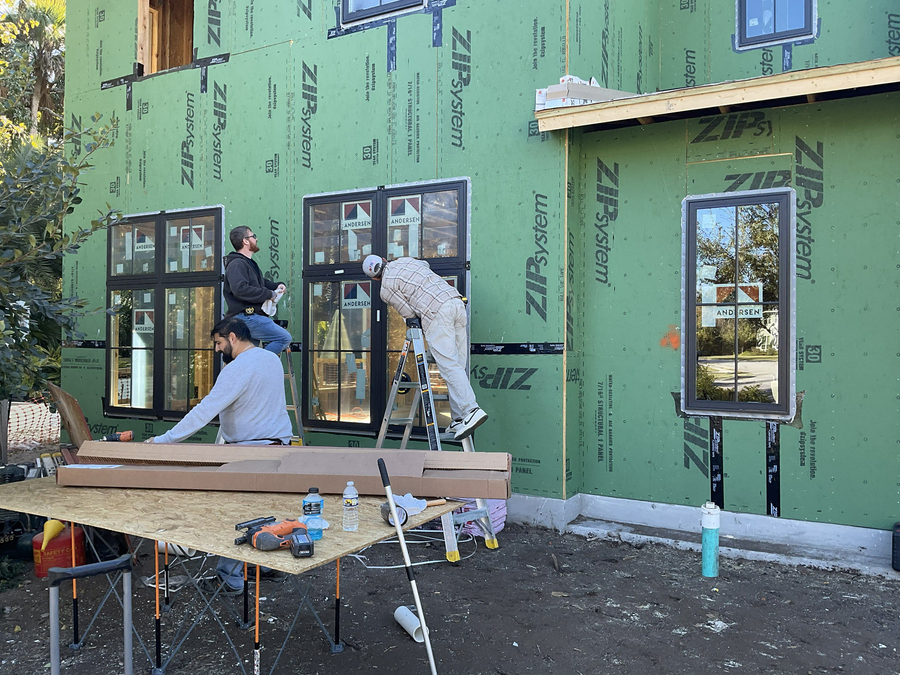
Because we were the homeowners, we saw our team from a different perspective. We already knew they were good at their jobs, but watching them take care of our home, belongings, and even our very determined dog (who wanted to be involved in every aspect) reinforced how important it is to have the right people on the job.
Our construction managers and team were respectful of our property and attentive to the details. They handled the project the same way we expect them to handle our clients’ homes. In fact, going through the experience reinforced our confidence that we have the right people representing our company.
9. You don’t have to love every moment to love the result
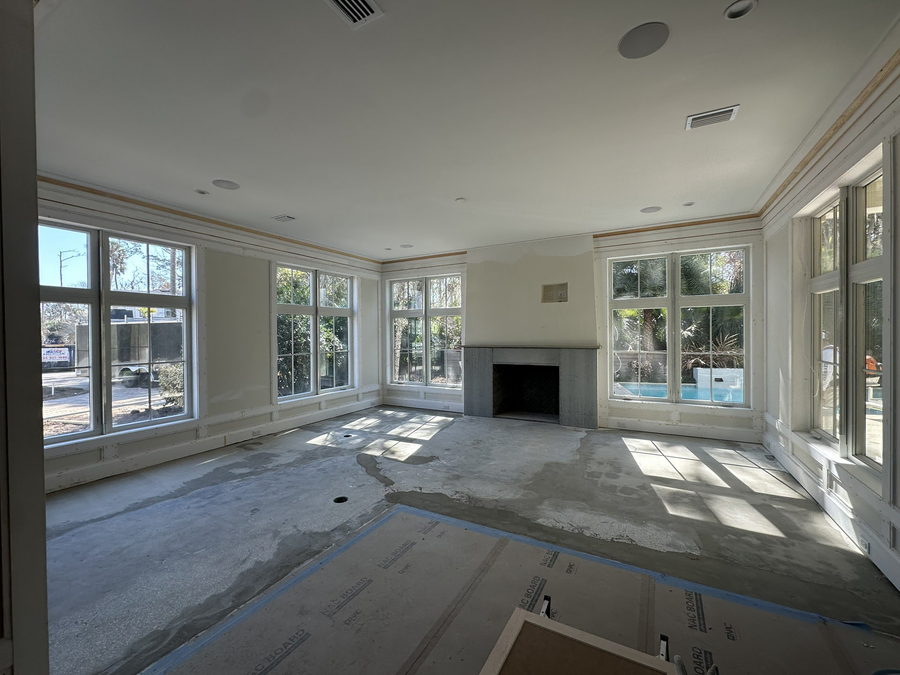
There were moments when we were tired, very tired. We were tired of the dust. Tired of moving things around. Tired of living in an unfinished house. Tired of waiting for floors.
But then little rewarding moments started happening. The new breakfast table was installed, and suddenly all five of us could sit down together for a meal again. The outdoor spaces came back together. The upstairs bedroom was ready for guests. Furniture arrived, wallpaper went up, and the finishing details started to accumulate. Eventually, we stopped imagining what the house would feel like and started actually living in it.
So, would we do it again?
Ask us while we were living through the dust, and we might have given you a different answer. But now we are so happy with the way the finished home gives our family space that works for the way we live.
We also gained the ultimate understanding of what our clients experience. We’ve been through the dust, delays, decisions and frustration, and we know what it feels like when the project looks unfinished and you’re wondering when it will all come together. We also know that sometimes the best thing you can do is take a breath and trust the process.
Because if you’ve planned well, surrounded yourself with the right people, and stayed focused on what you’re trying to create, eventually you get to sit down in the finished space and realize it was worth it.
Have you got a project in mind? We’d love to hear about it.


