
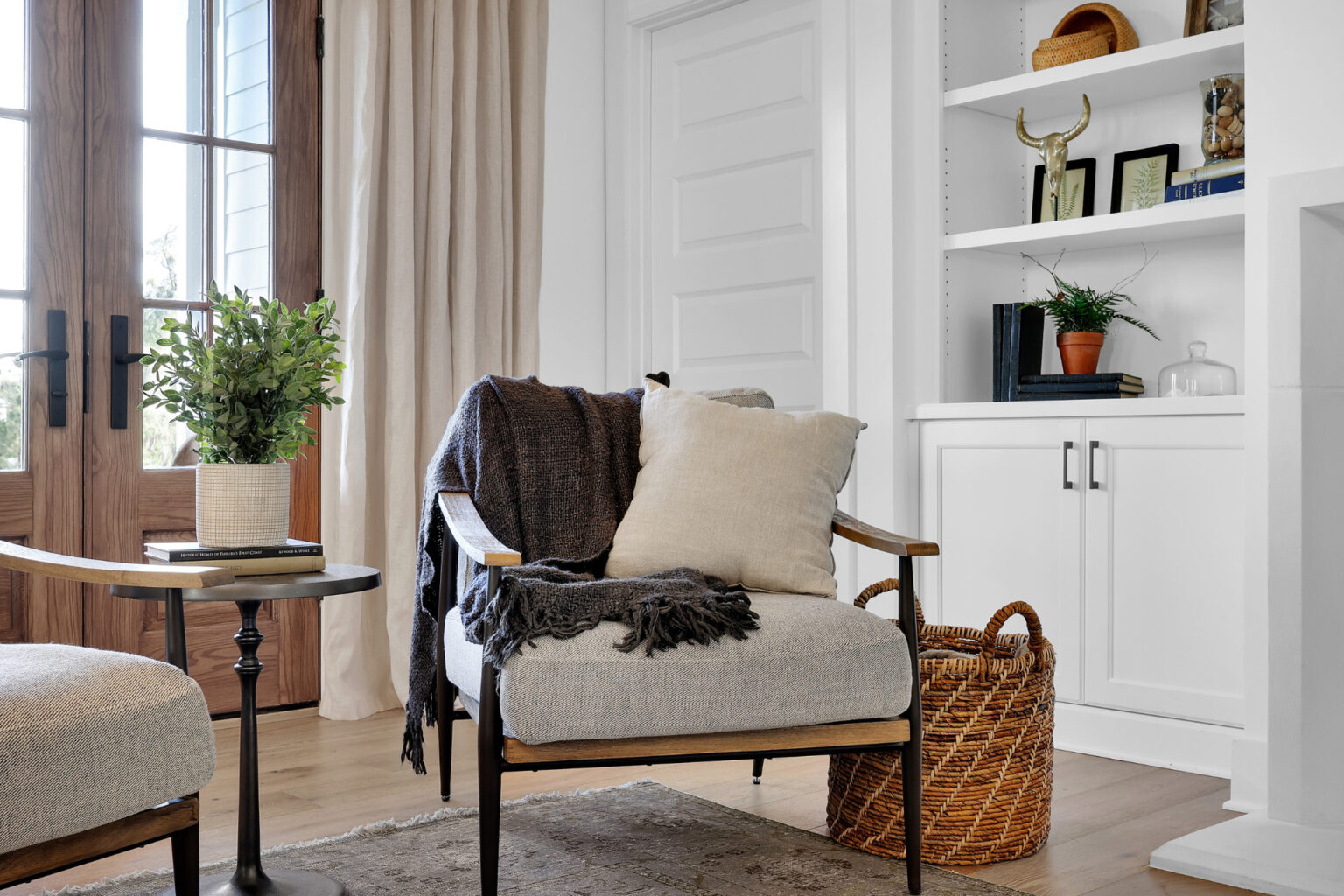
Step into a contemporary 2026 home and you’ll feel it immediately: personality, depth, and a sense of story. Spaces are designed to impress, yes, but also to be lived in.
After years of minimalism and safe neutrals, 2026 marks a confident shift toward expression, craftsmanship, and comfort. Homes are becoming more decorative, more tactile, and more personal, blending old and new in ways that feel effortless rather than curated.
Here are the top trends shaping interiors in 2026:
1. Color is back with a bang
Minimalism is stepping aside as vivid, expressive color takes center stage. Millennials and Gen Z homeowners are embracing saturated hues like deep greens, rich blues, warm terracotta, and unexpected pops of bright color that go beyond accent walls. The new interior style commits to color across furniture, cabinetry, and décor.
Tip: Start small with painted furniture or statement pieces, then build toward larger applications.
2. Wood revival in cabinetry
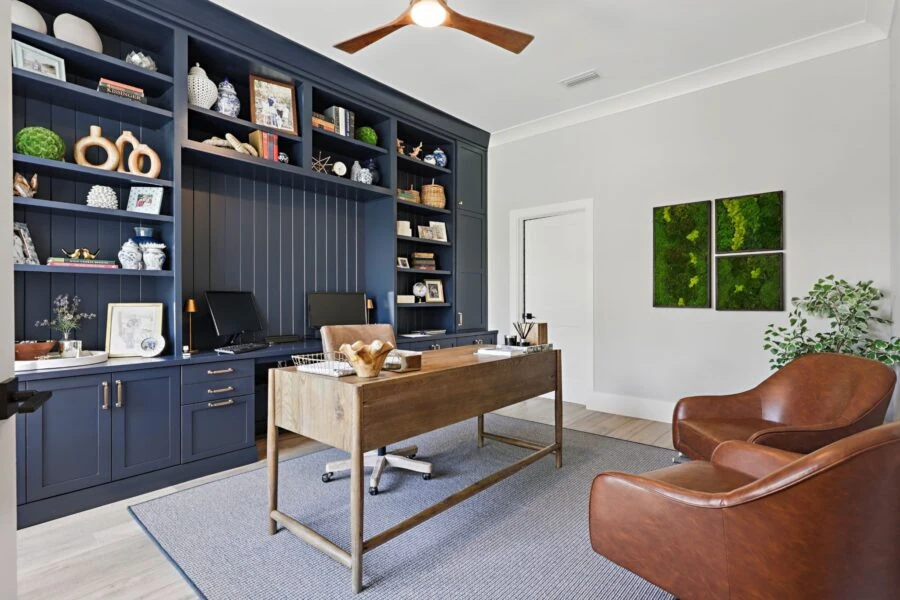
In line with a warmer aesthetic, wood tones are coming back strong in cabinetry. Furniture-style vanities are also becoming a popular choice for bathrooms.
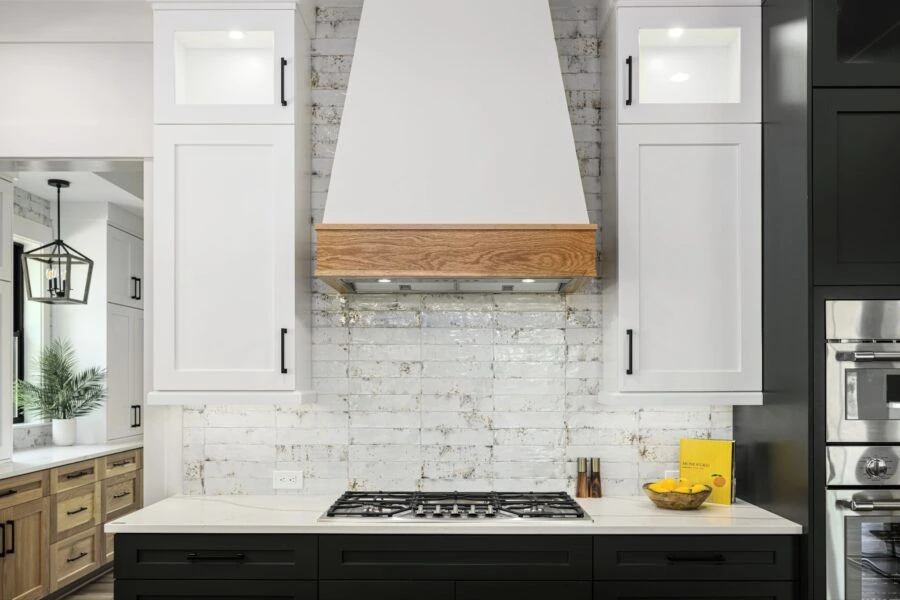
I’ve noticed how wood is moving beyond pale tones into something deeper and more character-driven. Darker finishes, burl textures, reclaimed materials, and furniture-style cabinetry are defining kitchens and interiors alike. These elements bring warmth, depth, and a sense of history into the home.
Tip: Think about incorporating rich woods into your kitchen or bathroom cabinets to bring warmth and texture into these spaces.
3. Narrative maximalism
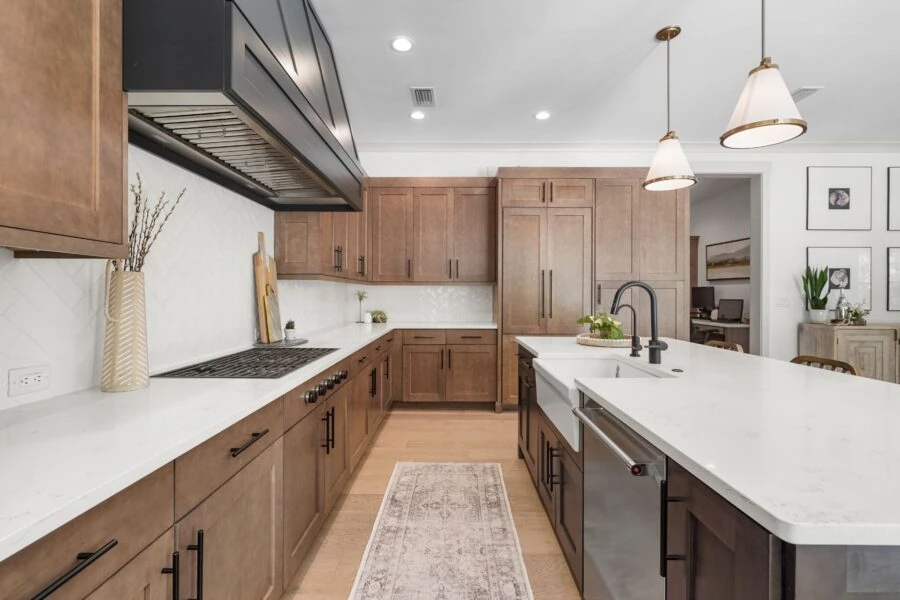
Maximalism has evolved. In 2026, it’s not about more, but about meaning. Sure, it’s a bit of a buzzword, but narrative maximalism celebrates interiors that feel collected over time. Think vintage finds, travel pieces, inherited items, and layered textiles working together. Homes feel more human, less staged, and timeless.
Tip: Collect first, coordinate later. Let your home evolve naturally.
4. Thrifting, recycling, and reinvention
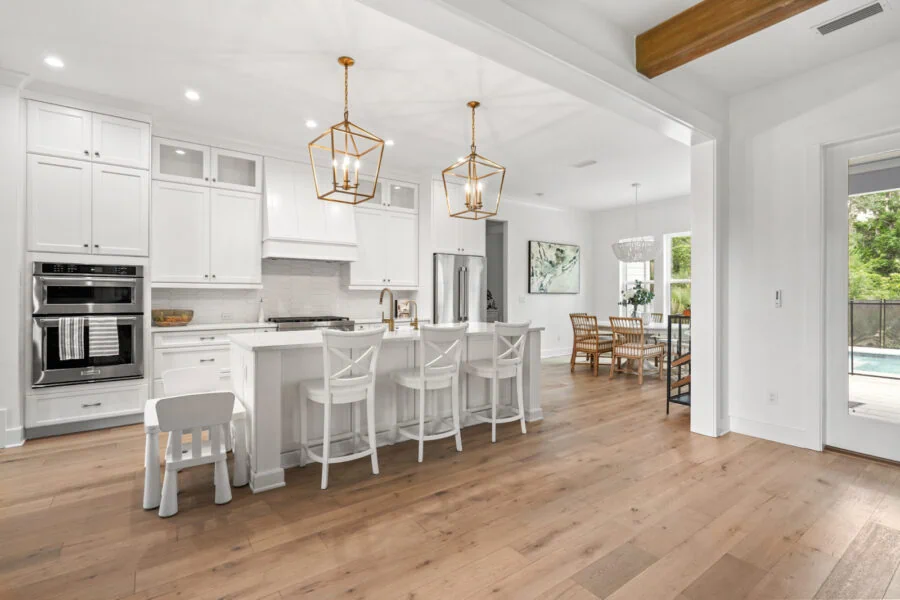
In 2026, sustainability meets creativity. One of the biggest cultural shifts is toward reworking what already exists. Examples include painting vintage furniture, repurposing materials, and mixing old with new. This trend naturally complements bold color and layered interiors.
Tip: Treat second-hand pieces as opportunities for reinvention.
5. Gallery walls with a difference
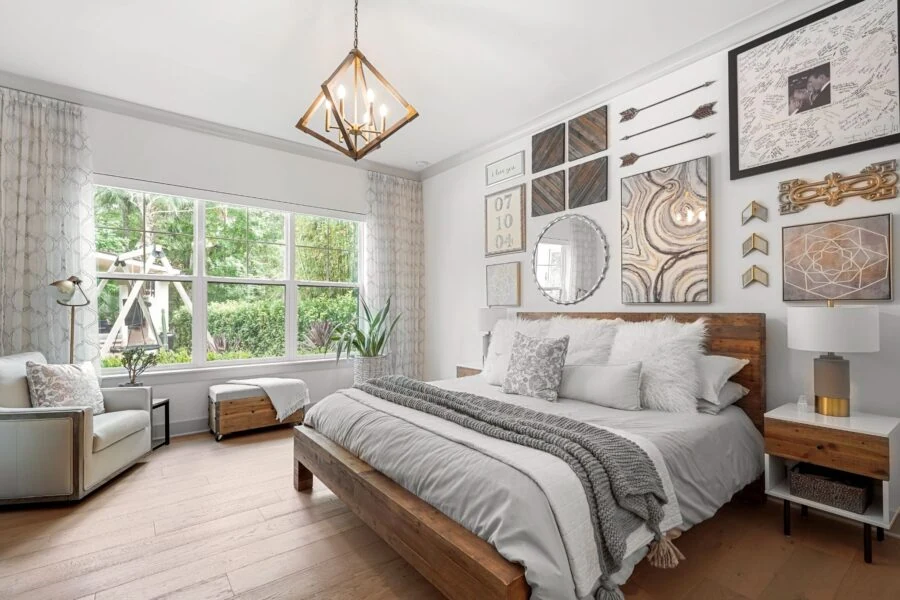
Gallery walls are back, but not in a rigid, matching way. Trends in 2026 embrace eclectic, layered walls with mixed frames, varied art styles, and unexpected compositions that feel personal and collected.
Tip: Mix materials and finishes, and vary scale for a more natural look.
6. Pattern remixing
Patterns are returning in a way that feels intuitive, as opposed to overly styled. Designers are mixing florals, plaids, stripes, and geometrics within a shared visual language. The result feels layered and interesting when it avoids being overwhelming.
Tip: Start with one dominant pattern and support it with smaller-scale contrasts.
7. Decorative details and traditional influence
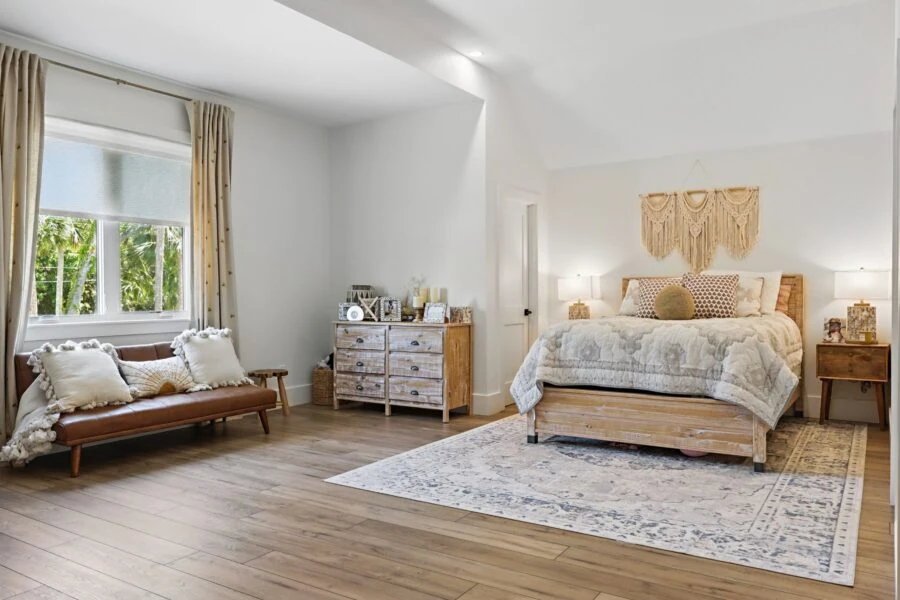
Clean lines and stark white interiors are giving way to ornamentation and detail. Crown molding, paneling, detailed trim, and decorative finishes are bringing depth and refinement back into homes. Textiles are also becoming more expressive, with fringe, tassels, and layered materials adding softness and movement.
Tip: Start with one architectural upgrade (like adding simple wall panel molding or upgrading your baseboards), then layer in softness with trimmed cushions or a fringed throw.
8. Elevated kitchens and baths
Luxury is setting the tone across all levels of design. Kitchens and bathrooms are becoming more expressive, material-driven, and keen to make a visual statement. There’s less emphasis on uniformity and more focus on individuality, like mixing materials, finishes, and forms to create spaces that feel curated.
Tip: Swap out one standard element for something with character, like a statement faucet, mixed-metal hardware, or a furniture-style vanity.
9. Indoor-outdoor living, reimagined
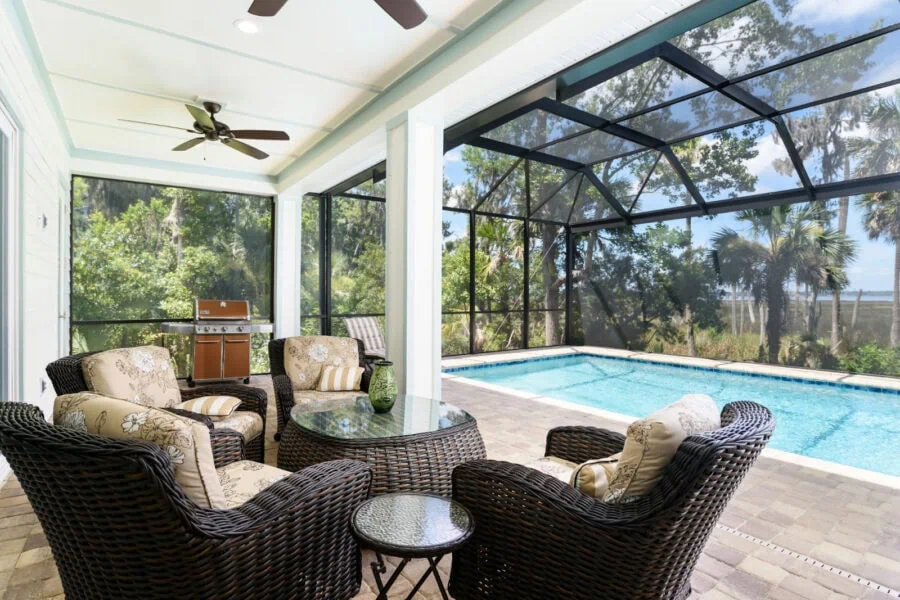
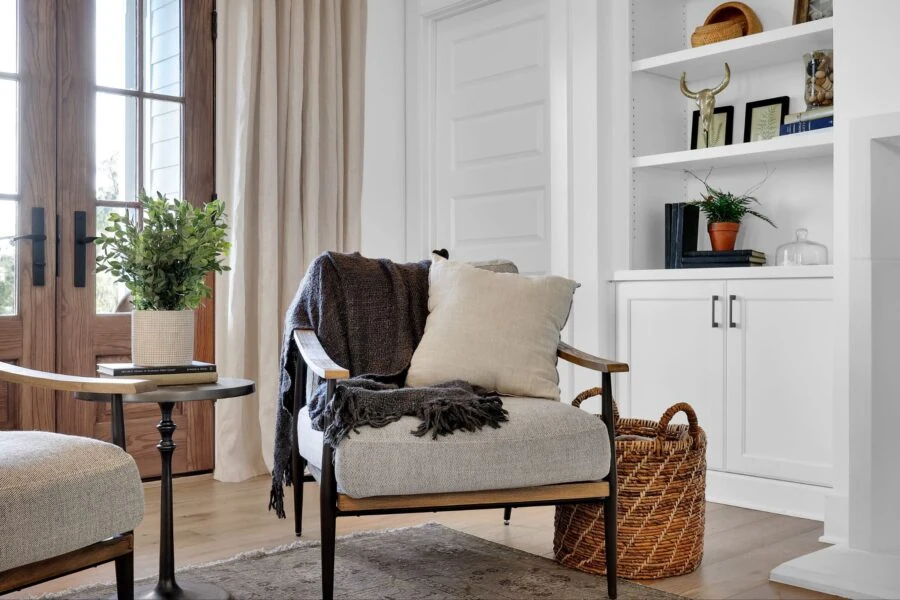
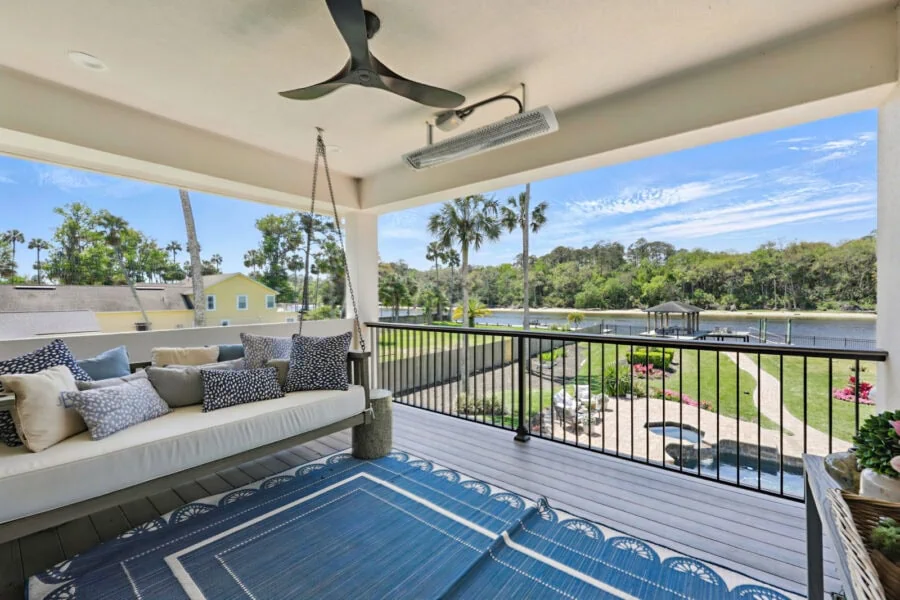
Rather than opening walls to the outside, this trend brings the feeling of nature indoors. Natural materials, soft light, breathable layouts, and botanical elements create spaces that feel calm and grounded year-round.
Tip: Layer in natural materials like a woven rug, wooden accents, and a few well-placed plants, and then soften the space with warm lighting to bring the relaxed, outdoor feeling indoors year-round.
10. Handcrafted and artisanal pieces
Unique, handcrafted items are becoming more desirable in a move away from mass production as homeowners seek authenticity and individuality. From bespoke furniture to handmade ceramics, one-of-a-kind pieces bring character and craftsmanship into the home while often supporting sustainable practices.
TIP: Invest in a few standout artisanal pieces (like a hand-thrown pottery lamp or a custom wood dining table) to make your space feel curated and intentional.
Bringing it all together
The defining theme of 2026 is that homes are becoming more personal, more expressive, and more layered. This is a move away from perfection and toward spaces that feel lived-in, collected, and uniquely yours.
If it’s time for a more extensive change, don’t hesitate to get in touch with the John Merrill Homes team to inquire about our renovation, addition, remodeling, and custom design-build services.
